
Difference Between a Home Health Aide and a Personal Care Aide in Brooklyn NY Choosing the right caregiver for a...
Read More
We proudly service all 5 boroughs and Long Island
We proudly service all 5 boroughs and Long Island
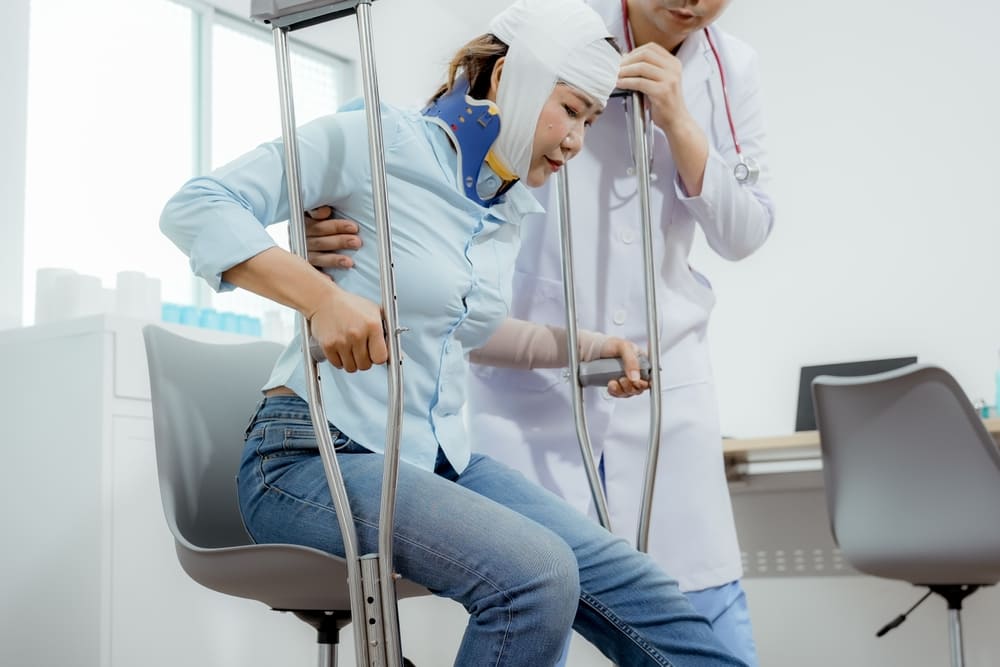
Traumatic brain injuries, or TBI, can profoundly change a person’s daily life, cognitive abilities, and sense of independence. For families navigating recovery, knowing what support is available can make all the difference. In New York, the Nursing Home Transition and Diversion (NHTD) program provides structured in-home care services for patients with TBI, allowing them to get the support they need without leaving the comfort of their own home.
This guide walks you through how NHTD programs work, who qualifies, what services are covered, and how your family can make the most of what is available.
The Nursing Home Transition and Diversion (NHTD) Waiver is part of New York State’s Home and Community-Based Services (HCBS) initiatives designed to help adults with disabilities, including those recovering from TBI, live independently at home rather than in an institutional setting. It supports people who would otherwise require nursing home-level care by providing in‑home services tailored to individual needs (New York State Department of Health, n.d.)
For people with traumatic brain injuries, this means having access to support that addresses both physical and cognitive challenges while preserving personal autonomy, dignity, and quality of life.
Unlike short-term rehabilitation programs, NHTD services are built for long-term support and independence. Here is how these programs specifically help TBI patients.
Every NHTD participant receives an individualized care plan based on a professional assessment of their abilities, daily needs, and long-term goals. This plan guides the types and frequency of services provided, making sure support is tailored to the real challenges of brain injury recovery rather than a one-size-fits-all approach.
Home-based services can include assistance with daily living activities like bathing, dressing, meal preparation, and mobility. These supports provide the safety and consistency that help reduce medical complications and allow individuals to stay home comfortably.
One of the most valuable features of NHTD programs is service coordination. Professionals work directly with participants and families to access needed care, coordinate with medical providers, and make sure services stay aligned with changing needs over time.
Beyond basic care, NHTD services help people maintain meaningful roles in their communities. Whether through transportation support, social activities, or adaptive equipment, participants get the tools they need to stay engaged and connected to the people and places that matter to them.
To benefit from NHTD support, individuals must meet specific criteria:
TBI or Physical Disability: The individual must require assistance due to a traumatic brain injury or another qualifying condition that affects daily functioning.
Medicaid Eligibility: Participation typically requires enrollment in Medicaid, which demonstrates financial eligibility.
Functional Need: A documented need for long‑term support with daily activities or home care services must be established.
The program emphasizes living safely in the community while receiving appropriate care. Eligibility assessments consider both medical needs and available supports to determine whether NHTD services can help avoid or delay institutional care (New York State Department of Health, n.d.)
Note: Exact eligibility details may vary depending on region and individual circumstances.
Although services are tailored to each participant, here is what NHTD support typically includes.
Home health aide assistance. Home health aides help with personal care tasks like bathing, grooming, toileting, and mobility support, which are often essential for individuals with TBI who have physical or cognitive limitations.
Daily living support. This includes meal preparation, medication reminders, and other routine supports that promote safe and stable daily life at home.
Service coordination. Coordinators help participants arrange and manage services, adjust care plans as needs change, and connect with community resources on an ongoing basis.
Adaptive equipment and home modifications. The program can help facilitate access to grab bars, mobility aids, and home modifications that improve both safety and independence.
Community integration services. Support can extend beyond basic care to include transportation, social engagement, and skill development aimed at increasing community participation and overall wellbeing.
Navigating long-term support options can feel overwhelming, but these steps help families stay on top of the process.
NHTD programs are meant to support individuals who might otherwise need long‑term institutional care, helping them receive personalized services at home and maintain independence within their communities.
Services like home health aides and personal care support help with bathing, meal preparation, mobility, and other critical routines, allowing individuals with TBI to manage daily life safely.
No. While seniors are often eligible, the program is also available to adults with disabilities, including traumatic brain injuries, who need support to live independently.
Families begin by contacting the appropriate regional center or case manager to initiate eligibility assessment and documentation review.
Families can explore lists of approved providers and community resources for NHTD by looking up Google Business Profiles of local providers near your area.
NHTD programs offer individuals with traumatic brain injuries a real, structured path to live safely and independently in their own homes. By focusing on personalized support, service coordination, and community engagement, these programs help people maintain dignity, stability, and a higher quality of life throughout recovery and beyond.
If you found this helpful, explore more articles about in-home support, caregiving strategies, and community resources on the Exclusive Home Care blog.
The information provided in this blog is for educational purposes only. NHTD support services provide in‑home assistance but do not provide medical diagnosis or treatment and are not a substitute for a licensed medical professional. Always consult a qualified healthcare provider for medical advice.