
As the senior population continues to grow in 2025, families are increasingly turning to in-home care solutions that offer comfort,...
Read More
We proudly service all 5 boroughs and Long Island
We proudly service all 5 boroughs and Long Island
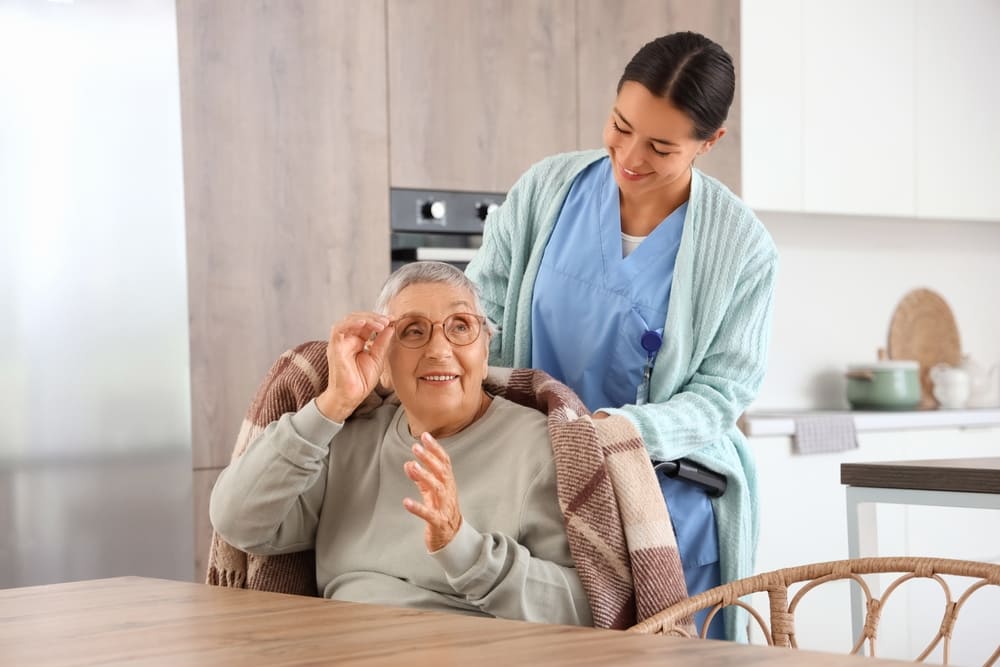
If you are trying to figure out how to find the right care for an aging parent or family member, you are not alone. Many families reach a point where they know their loved one needs more support at home but are not sure where to start. A home health aide can make a real difference, helping with daily tasks, providing companionship, and giving family caregivers the relief they need to keep going.
This guide walks you through everything you need to know about choosing the right home health aide, including what to look for, what questions to ask, and how to make sure your loved one gets the quality care they deserve.
A Home Health Aide (HHA) is a trained caregiver who assists individuals in their own homes with daily living activities. HHAs help with bathing, dressing, grooming, mobility support, meal preparation, and medication reminders. They also provide companionship and help enhance safety and quality of life for people who need extra help at home.
According to federal employment data, aides often assist with both personal care tasks and basic health‑related assistance, which can reduce the risk of injury and help individuals remain independent longer (U.S. Bureau of Labor Statistics, 2024).
Before hiring a Home Health Aide, take time to assess the level and type of care your loved one needs. Care needs generally fall into three categories:
Assisting with activities of daily living (ADLs) such as bathing, dressing, grooming, and toileting
Meal preparation and feeding support
Mobility assistance, including help walking or transferring from bed or chair
Basic health monitoring, such as observing changes in condition
Medication reminders under direction from a healthcare provider
Assistance with recovery from procedures or illness
Some individuals require aides with experience in specialized areas, for example, pediatric care for children who need assistance at home, or caregivers experienced with neurological conditions. HHAs with appropriate experience may help families feel more secure about care quality.
When you are interviewing candidates or reviewing options, these are the qualities that matter most.
Proper training and experience. Your aide should have appropriate training through a reputable agency or approved program, and ideally experience with care needs similar to your loved one’s situation.
Compassion and empathy. Daily care can be intimate and emotionally sensitive. A good aide respects your loved one’s dignity, listens carefully, and shows genuine kindness.
Strong communication. Your aide needs to be able to report changes in your loved one’s condition clearly and promptly to you and their healthcare providers.
Reliability and professionalism. Showing up on time, maintaining a respectful demeanor, and following through consistently are non-negotiable qualities.
Personal compatibility. Your loved one should feel safe and comfortable around their aide. Trust matters just as much as skill.
Sitting down with candidates gives you real insight into how they work and whether they are a good fit. Here are some useful questions to ask:
These questions help you evaluate both competence and personality fit at the same time.
Before anyone comes into your loved one’s home, take these steps to protect them.
If you hire through an agency, much of this is handled for you. If you hire independently, these steps are your responsibility.
The cost for Home Health Aide services can vary widely. Common ways families manage payment include:
Private Pay: Direct payment for caregiver services, often more flexible but out of pocket.
Medicaid Assistance Programs: Some families qualify for support through regional assistance programs.
Insurance or Long‑Term Care Benefits: Certain insurance plans may partially cover home care expenses.
Before hiring, ask about hourly rates, overtime policies, and whether aides are covered by benefits such as workers’ compensation. If you think your family might qualify for Medicaid coverage, you can learn more about Medicaid assistance options for in-home care or review the Medicaid Home and Community Based Services program for federal eligibility guidelines.
You can hire a caregiver through a home care agency or hire an individual directly. See comparison below for your guidance:
| Agency-Provided Aides | Independent Aides |
|---|---|
| Typically screened and trained by the agency | Family responsible for vetting and verifying qualifications |
| Backup coverage available if an aide is unavailable | No guaranteed backup; family must manage coverage |
| Supervision and coordination included | Family oversees performance and scheduling |
| Usually fixed schedules | May offer more flexible schedules |
| Generally higher cost due to agency services | Potentially lower cost, but additional family responsibilities |
Choosing between agency care and independent aides depends on your comfort level with oversight and how much administrative responsibility you’re willing to take on.
Introducing an aide into your loved one’s life takes planning. These tips help:
Facilitate a Meet‑and‑Greet: Allow your loved one to meet the aide before regular care begins.
Communicate Expectations: Share routines, preferences, and important medical information.
Monitor Early Visits: Observe interactions and make adjustments as needed.
Encourage Open Feedback: Check in with both your loved one and the aide regularly.
Clear communication builds trust and fosters a positive environment for care.
A competent home health aide should have training or certification as required by your state and experience relevant to your loved one’s needs. This includes familiarity with assisting older adults, supporting mobility, and understanding basic health-related tasks. In addition, aides should demonstrate strong communication skills and professionalism, ensuring that care is both safe and compassionate.
Verify experience by asking for references from previous families or supervisors, reviewing employment history, and confirming training or certifications. If the aide works through an agency, check how the agency screens staff, provides training, and supervises ongoing care. Observing an initial shift or trial period can also provide insight into the aide’s capabilities and interpersonal approach.
Home health aides can assist with basic health monitoring, such as observing changes in condition, reporting concerns to family or healthcare providers, and reminding patients to take medications. They are trained to identify warning signs and communicate effectively with care teams. However, HHAs are not medical professionals and do not replace doctors, nurses, or licensed practitioners for medical decisions.
Agencies often provide vetted aides with verified training, supervision, and backup coverage if the regular aide is unavailable. Hiring independently may offer more flexibility and potential cost savings, but families must manage background checks, scheduling, and oversight themselves. Consider your comfort with supervision, the complexity of care needs, and the reliability of backup coverage when deciding.
You can find home health aides through reputable home care agencies, which often provide trained, vetted, and supervised staff. Some families hire independent aides directly, ensuring thorough screening and references. Additionally, verified service listings like Google Business Profiles can help identify trusted providers in your area. I
Choosing a home health aide for your aging loved one is one of the most important decisions your family will make. When you take time to evaluate qualifications, ask the right questions, verify experience, and stay involved after care begins, you give your loved one the best chance at safe, comfortable, and dignified care at home.
If you found this helpful and want to keep reading, explore more caregiving guides and home care resources on the Exclusive Home Care blog.
The information provided in this blog is for educational purposes only. Home Health Aides are trained caregivers, not licensed medical professionals. They can assist with daily tasks and basic health support, but they cannot replace a doctor, nurse, or other licensed healthcare provider. Always consult a qualified medical professional for advice regarding medical conditions, treatments, or medications.